
Stroke: Hidden Dangers and Critical Warning Signs You Must Know, Part 2
For most people, a stroke appears to be a sudden event. However, the conditions that increase its risk often develop over many years without causing noticeable symptoms.
Why Does a Stroke Occur, and Can It Be Prevented?
High blood pressure is one of the main risk factors for both ischemic stroke, which is associated with a blocked blood vessel, and hemorrhagic stroke, which occurs when bleeding develops. When blood pressure remains elevated for years, the walls of the arteries gradually become damaged. Large blood vessels become more susceptible to the formation of cholesterol plaques, while small arteries in the brain lose their strength. As a result, the likelihood of both blockage and rupture of a blood vessel increases.
At the same time, high blood pressure often causes no unpleasant symptoms at all. A person may live with hypertension for years without being aware of it. Therefore, regular blood pressure measurements are important not only for people who have already been diagnosed with cardiovascular diseases. If readings remain consistently elevated, it is necessary to identify the cause and select appropriate treatment.
Equally important is cholesterol, particularly LDL cholesterol, which is often called “bad” cholesterol. When its level is excessive, fatty deposits - atherosclerotic plaques - gradually accumulate in the walls of arteries. They narrow the blood vessels and restrict blood flow. If the surface of such a plaque becomes damaged, a blood clot may form on it and block the artery.
Assessing cardiovascular risk usually begins with a blood test to measure cholesterol and other blood lipids. In some cases, a healthcare provider may recommend additional markers. For example, apolipoprotein B (ApoB) helps assess the number of particles that contribute to the development of atherosclerosis, while lipoprotein(a), or Lp(a), helps identify additional cardiovascular risk that is largely genetically determined. It is recommended to measure Lp(a) at least once in adulthood; however, in individuals with a family history of cardiovascular risk factors, testing may be appropriate as early as childhood, including around the age of 10.
Another important factor is atrial fibrillation, which we have already discussed in the section on identifying the cause of stroke. It may occur without noticeable irregularities in the heartbeat, so an irregular pulse or episodes of rapid heartbeat are reasons to have the heart rhythm checked.
Diabetes mellitus also increases the risk of stroke. Persistently elevated blood sugar damages blood vessels and accelerates the development of atherosclerosis. Therefore, it is important to check blood glucose regularly and, when necessary, HbA1c, or glycated hemoglobin, which helps assess average blood sugar levels over the previous two to three months.
Another problem that many people are unaware of is obstructive sleep apnea. In this condition, the airways periodically become blocked during sleep, causing a person to stop breathing briefly and their blood oxygen level to drop. Such episodes may recur dozens of times during the night, disrupting sleep and contributing to elevated blood pressure and abnormal heart rhythms. Loud snoring, breathing pauses observed by family members, morning headaches, and pronounced daytime sleepiness are reasons to undergo an evaluation.
Stroke risk is also increased by smoking, insufficient physical activity, excess body weight, excessive alcohol consumption, and chronic kidney disease.
Some risk factors are particularly important for women. For example, a history of preeclampsia - a pregnancy complication accompanied by elevated blood pressure and possible organ damage, is associated with an increased cardiovascular risk in later years. Certain types of hormonal contraception, particularly those containing estrogen, and migraine with aura, in which temporary visual or other disturbances occur before or during a headache, are also relevant.
Although the likelihood of stroke increases with age, it also occurs in young people. In such cases, doctors pay particular attention to congenital heart conditions, blood clotting disorders, and damage to arterial walls. For example, an arterial dissection involves a tear in the inner lining of an artery, which may disrupt the blood supply to the brain.
Finally, chronic stress should not be ignored. It can disturb sleep, contribute to elevated blood pressure, and encourage habits that are unfavorable for vascular health. However, it would be incorrect to attribute a stroke solely to stress without examining the heart, blood vessels, and other possible causes.
Many of these risk factors can be identified and controlled long before a stroke occurs. However, the absence of symptoms does not necessarily mean that the blood vessels and brain have not been affected. Sometimes changes are discovered only during an examination performed for an entirely different reason.
Can You Have a Stroke Without Noticing It?
A stroke does not always cause noticeable weakness in the limbs, speech difficulties, or other obvious symptoms. Sometimes a person is not even aware that a disruption of blood circulation has already occurred in their brain.
Such cases are discovered incidentally, for example during magnetic resonance imaging (MRI) ordered for an entirely different reason. The images reveal a small area of the brain that at some point stopped receiving enough blood and sustained irreversible damage. These changes are called silent, or asymptomatic, brain infarcts.
Although the person may not have noticed the event itself, its consequences do not always remain unnoticed. Studies show that people with silent brain infarcts more frequently experience problems with memory, attention, processing speed, and stability while walking. They also have an increased risk of subsequent stroke and vascular impairments of memory and thinking, which in severe cases can lead to dementia.
However, not every change detected on an MRI indicates a previous stroke. For example, small changes in the white matter - areas of the brain containing nerve fibers that connect different brain regions - may develop as a result of chronic disturbances in the blood supply to small vessels and other causes. Therefore, imaging results must be assessed in the context of the person’s age, medical conditions, and overall health.
When such changes are associated with long-term damage to small arteries in the brain, the condition is called chronic cerebral small vessel disease. It often develops in association with high blood pressure, diabetes mellitus, and other vascular risk factors. On MRI, these abnormalities may appear as bright areas in the white matter and sometimes as small cavities where previous infarcts have occurred.
Chronic cerebral small vessel disease may develop for years without noticeable symptoms. As damage accumulates, some people gradually experience slower thinking, reduced attention, unsteadiness while walking, and problems with balance and memory.
It is important to distinguish chronic small vessel damage from an acute lacunar stroke. In the first case, changes usually accumulate gradually, whereas in a lacunar stroke, a sudden blockage of a small artery causes an acute disruption of blood flow to a specific area of the brain. However, both conditions may be associated with the same vascular risk factors.
If signs of vascular damage to the brain are detected, it is particularly important to check blood pressure, cholesterol, blood sugar, and heart rhythm. This helps identify problems that may have contributed to brain damage and increase the risk of a subsequent stroke.
How to Reduce the Risk of Stroke and Prevent Recurrence
It is important to understand that healthy eating, physical activity, vitamins, and other supportive measures do not replace medical treatment when it is necessary. Both for preventing a first stroke and after a stroke has already occurred, a doctor may prescribe medications to control blood pressure, cholesterol levels, heart rhythm, or prevent blood clots.
Prescribed medications should never be discontinued, reduced in dosage, or replaced with dietary supplements without medical supervision, even if symptoms have improved. Any changes to treatment should be discussed with the treating physician.
Many risk factors for stroke can be managed long before the first symptoms appear. Prevention involves not only treating existing medical conditions but also making changes to everyday habits.
One of the most effective ways to support cardiovascular health is regular physical activity. For most adults, at least 150 minutes of moderate-intensity aerobic exercise per week is recommended. This may include brisk walking, swimming, cycling, or other suitable activities that increase breathing rate while still allowing a person to hold a conversation. Strengthening exercises should ideally be included as well. There is no need to begin with long workouts immediately: even gradually increasing daily walking can benefit people who previously led a sedentary lifestyle.
Quitting smoking, limiting alcohol consumption, and gradually reducing excess body weight are also important. Getting adequate sleep and treating diagnosed sleep-related breathing disorders can further help reduce cardiovascular risk.
It is also important to emphasize that stroke prevention does not mean taking blood-thinning medications without medical advice. For example, aspirin reduces blood clot formation but also increases the risk of gastrointestinal bleeding. In people who have never experienced a stroke or another cardiovascular event, its potential benefits do not always outweigh the risks.
After a stroke, the approach to prevention changes. At this stage, it is essential not only to manage risk factors but also to identify the underlying cause of the stroke in order to prevent recurrence. Treatment is individualized based on the type of stroke, the condition of the blood vessels, heart function, and diagnostic findings.
After an ischemic stroke, a doctor may prescribe medications that help prevent blood clot formation. These include antiplatelet medications, which reduce platelet aggregation, and anticoagulants, which act on the blood-clotting system. The choice depends on the underlying cause of the stroke. For example, in patients with atrial fibrillation, anticoagulants are generally used to prevent recurrent stroke because abnormal heart rhythm increases the risk of blood clot formation.
Cholesterol management is another important component of prevention. If the stroke is associated with atherosclerosis, a doctor may prescribe medications that lower LDL cholesterol and slow the progression of vascular disease. The need for treatment and specific cholesterol targets are determined individually.
Blood pressure control is equally important, as elevated blood pressure increases the risk of both ischemic and hemorrhagic stroke. According to current guidelines, for most patients with hypertension who have experienced a stroke or transient ischemic attack and are in a stable condition, the target blood pressure is below 130/80 mmHg.
However, blood pressure targets may vary depending on the patient’s condition. In cases of severe narrowing of major cerebral arteries, impaired cerebral blood flow, or poor tolerance of treatment, lowering blood pressure requires particular caution. Therefore, the specific target and the most appropriate treatment approach should be determined by a physician.
After a hemorrhagic stroke, prevention has its own specific considerations. The main priorities are controlling blood pressure, identifying the cause of the bleeding, and preventing another hemorrhage. Decisions about medications that affect blood clotting must be made individually, taking into account other medical conditions and diagnostic findings.
In summary, preventing recurrent stroke requires long-term medical follow-up and individualized treatment. Regular monitoring of key health indicators, timely medical examinations, and adherence to the treating physician’s recommendations all play an important role.
Nutrition and Nutritional Support: What Helps Blood Vessels and Brain Recovery
Proper nutrition plays an important role both in stroke prevention and in recovery afterward. It helps control blood pressure, cholesterol, and blood sugar levels. After a stroke, it also provides the body with the energy and nutrients needed to preserve muscles and support normal nervous system function.
The most extensively studied dietary approaches for preventing cardiovascular diseases are the Mediterranean diet and DASH - a dietary approach specifically developed to lower blood pressure.
Both emphasize regular consumption of vegetables, fruits, berries, legumes, whole grains, fish, nuts, and plant oils, particularly olive oil. The dietary fiber found in these foods helps lower LDL cholesterol and improve blood sugar control. Replacing some saturated animal fats with unsaturated fats, such as using olive oil instead of butter, also helps improve cholesterol levels.
Limiting salt intake is particularly important. Canadian recommendations for preventing recurrent stroke advise limiting sodium consumption to 2,000 mg per day, equivalent to approximately five grams of table salt, or one teaspoon.
It is important to account for all the salt consumed in food, not just the amount added during cooking. Significant quantities are found in processed meats, cheeses, prepared sauces, canned foods, convenience foods, and restaurant meals.
Potassium, which is abundant in vegetables, fruits, and legumes, is also important for maintaining normal blood pressure. However, potassium may accumulate in the blood in people with kidney disease or those taking certain medications. Therefore, potassium supplements and potassium-based salt substitutes are not suitable for everyone.
After a stroke, nutrition becomes even more important. A person may have to remain in bed for extended periods, move less, tire more easily, and lose their appetite. As a result, muscle mass may decrease, and the resulting weakness can further complicate the recovery of walking, balance, and independence.
It is particularly important to ensure adequate protein intake, which is necessary for preserving and rebuilding muscle tissue.
For healthy adults, the basic requirement is approximately 0.8 g of protein per kilogram of body weight per day. However, older adults, patients with muscle loss, and those undergoing active rehabilitation may require more protein. In some cases, approximately 1.2-1.5 g per kilogram of calculated body weight per day is recommended.
The specific amount is determined individually, taking into account age, nutritional status, body weight, rehabilitation intensity, and kidney function.
Good sources of protein include fish, poultry, eggs, cottage cheese, yogurt, and legumes. If a person has a poor appetite or cannot obtain enough nutrients from regular food, a doctor or dietitian may recommend specialized nutritional formulas.
It is equally important to prevent dehydration. After a stroke, a person may not drink enough because of weakness, swallowing difficulties, or dependence on help from others. Insufficient fluid intake can worsen weakness, dizziness, and confusion, as well as impair kidney function.
However, there is no universal amount of fluid suitable for every patient. Fluid requirements depend on heart and kidney function, medications, and other medical conditions. When swallowing difficulties are present, it is also necessary to consider whether the person can safely drink regular water.
Which Vitamins and Supplements May Be Helpful
After a stroke, particular attention should be given to vitamins, minerals, and biologically active compounds involved in nervous system function, energy metabolism, the maintenance of mitochondrial function, regulation of inflammatory processes, and protection of cells against oxidative stress. Some of these may be used as additional nutritional and metabolic support during recovery.
Vitamins B12, B6, and folate (vitamin B9) are necessary for normal nervous system function and homocysteine metabolism, as elevated homocysteine levels are associated with increased cardiovascular risk. Vitamin B12 helps maintain myelin - the protective covering of nerve fibers that ensures normal signal transmission. Vitamin B6 is required for neurotransmitter production, while folate participates in DNA synthesis and cell renewal. Deficiencies in these vitamins may be accompanied by neurological and metabolic disturbances that complicate recovery.
Vitamin D is necessary for maintaining bone health, normal muscle function, and regulation of immune processes. Adequate vitamin D levels are particularly important for patients with limited mobility, muscle weakness, and an increased risk of falls. Correcting vitamin D insufficiency helps maintain normal muscle and skeletal function.
Magnesium participates in nerve signal transmission, muscle contraction and relaxation, regulation of vascular tone, and the activity of numerous enzyme systems. It is necessary for cellular energy production and utilization, maintenance of normal neuromuscular function, and regulation of cellular electrical activity. Because magnesium intake from the usual diet is often insufficient, supplementation may be an important component of nutritional support.
Omega-3 fatty acids EPA and DHA are components of cell membranes, including those of nerve cells, and participate in the regulation of inflammatory processes and maintenance of normal cardiovascular and nervous system function. DHA is particularly important because it is present in significant amounts in nervous tissue and is necessary for the normal structure and function of neuronal membranes.
EPA and DHA also participate in the formation of biologically active lipid compounds that regulate inflammatory responses and may positively influence vascular endothelial function.
In addition, omega-3 fatty acids affect the hemostatic system, particularly platelet activity and aggregation, and may reduce an increased tendency of platelets to stick together. These properties are of interest for supporting vascular health and regulating blood clot formation.
Omega-3 supplementation helps ensure an adequate supply of EPA and DHA and may be considered part of comprehensive nutritional support.
Coenzyme Q10 (CoQ10, ubiquinone) plays a key role in mitochondrial function - the cellular structures responsible for producing energy in the form of ATP. It participates in electron transport within the respiratory chain and also has antioxidant properties, helping protect cell membranes from oxidative damage.
After a stroke, disturbances in blood supply and energy metabolism may affect mitochondrial function. Therefore, CoQ10 is of interest for supporting cellular energy metabolism, mitochondrial function, and antioxidant protection, particularly in tissues with high energy requirements, including the brain and muscles.
Acetyl-L-carnitine (ALC, ALCAR) participates in the metabolism of acetyl groups and supports mitochondrial function. Because it can cross the blood-brain barrier, it is of particular interest for the nervous system.
ALC participates in processes associated with energy supply to nerve cells and can serve as a source of acetyl groups needed to produce acetylcholine - a neurotransmitter that plays an important role in nerve signal transmission, attention, and memory.
Its potential use after a stroke is associated with supporting energy metabolism, mitochondrial function, and cognitive processes, including memory and attention.
Alpha-lipoic acid (ALA) participates in mitochondrial enzyme complexes that convert nutrients into cellular energy. It also has antioxidant properties and contributes to the maintenance of cellular defense systems.
ALA helps regulate oxidative stress and carbohydrate metabolism and also influences processes associated with insulin sensitivity in tissues. Therefore, it is of interest for metabolic and antioxidant support, particularly in patients with insulin resistance, diabetes mellitus, and other cardiovascular risk factors.
Ginsenoside Rg3 is a biologically active compound found in ginseng, known for its neuroprotective, anti-inflammatory, and antioxidant properties. Experimental studies suggest that Rg3 may help reduce oxidative stress, support mitochondrial function, and protect neurons from ischemic injury. It is of particular interest for supporting nervous system health and recovery processes after stroke.
Plant Antioxidants and Polyphenols include resveratrol, quercetin, curcumin, anthocyanins, and other biologically active compounds available as standardized extracts and concentrated supplements.
Polyphenols can influence cellular signaling pathways associated with oxidative stress, inflammatory processes, vascular endothelial function, and regulation of mitochondrial activity.
During ischemic stroke and the subsequent restoration of blood flow, the production of reactive oxygen species increases, potentially damaging cellular structures. Therefore, plant polyphenols are of interest as additional agents supporting antioxidant mechanisms and cellular protection.
Some polyphenols can also affect vascular tone, inflammatory mediator activity, and processes involved in maintaining normal blood circulation.
The supplements listed may be considered additions to primary treatment and rehabilitation, not replacements for them. The selection of supplements, their combinations, and dosages is individualized, taking into account the type of stroke, the patient’s condition, accompanying diseases, and medications being taken.
Rehabilitation: How the Brain Recovers After a Stroke
After a stroke, some nerve cells may die, and the functions controlled by the damaged areas of the brain become impaired. However, this does not always mean that lost abilities cannot be restored.
The brain has the ability to reorganize connections between nerve cells and adapt to new conditions. Surviving neural networks can change how they function, form new connections, and partially compensate for the functions of damaged regions. This property is called neuroplasticity.
Neuroplasticity underlies many recovery processes after a stroke. Regular repetition of specific activities helps reinforce motor and other skills, which is why modern rehabilitation focuses on training particular impaired functions.
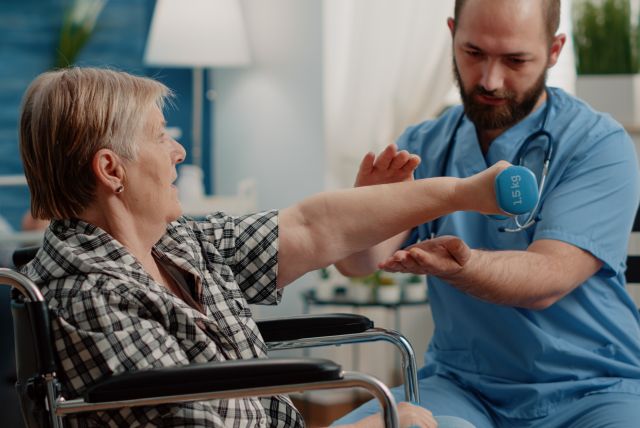
Physiotherapy helps restore muscle strength, balance, coordination, and walking ability. The patient gradually learns to move safely, shift weight from one leg to another, change body position, and perform movements that became difficult after the stroke.
Occupational therapy focuses on restoring independence in everyday life. The therapist helps the person relearn how to dress, prepare food, use utensils, hold objects, and perform other familiar activities. If certain abilities cannot be fully restored, alternative ways of performing tasks or specialized assistive devices are selected.
Speech and communication difficulties require assistance from a speech-language pathologist. The consequences of a stroke may vary: some patients speak unclearly because of impaired muscle control, while others have difficulty finding words, forming sentences, or understanding spoken language. Therefore, rehabilitation methods depend on the type of impairment.
A stroke can also affect less obvious abilities: memory, attention, processing speed, the ability to plan actions, and decision-making. A person may have difficulty concentrating on a conversation, remembering a sequence of actions, or performing several tasks at once. In such cases, specialized cognitive exercises and training in strategies that help manage everyday tasks are used.
The earlier rehabilitation begins after the patient’s condition has stabilized, the greater the opportunities for successful recovery of lost functions. Therefore, the first rehabilitation activities begin in the hospital as soon as it is medically safe. Early rehabilitation helps prevent loss of muscle strength, maintain mobility, and gradually restore movement and everyday skills.
However, starting rehabilitation early does not mean engaging in excessively intensive training during the first 24 hours. The level of activity is selected individually and increased gradually, taking into account the patient’s condition and tolerance of exercise.
The most noticeable improvements often occur during the first weeks and months, but recovery opportunities are not limited to this period. Neuroplasticity persists later as well, so regular exercises may remain beneficial months and even years after a stroke.
Rehabilitation outcomes vary considerably between individuals. They depend on the size and location of brain damage, the type of impairment, accompanying medical conditions, and the patient’s general health. Even when complete recovery is not possible, rehabilitation can significantly improve independence and quality of life.
Recovery continues after discharge from the hospital. Various forms of rehabilitation are available in British Columbia, including inpatient, outpatient, and home-based programs. The choice depends on the patient’s condition, needs, and availability of services. Before discharge, it is advisable to obtain an individualized plan for further recovery, exercise recommendations, and information about subsequent medical follow-up.
It is equally important to ensure safety at home. If balance, vision, attention, or coordination are impaired, grab bars, walkers, improved lighting, and other devices that reduce the risk of falls may be needed. Particular attention should be paid to the bathroom: use a securely fixed non-slip mat in the bathtub or shower, install grab bars, and, if necessary, a shower seat. Family members may benefit from learning how to assist the patient safely while preserving as much independence as possible.
Returning to work and driving requires a separate assessment. Even with good physical recovery, impairments in vision, attention, reaction speed, and decision-making may persist. For people with limited mobility in one arm, special devices for steering with one hand are available, such as steering wheel spinner knobs. These allow some people with motor limitations to return to independent driving. However, such devices must be selected with consideration of the patient’s remaining abilities, following a specialized assessment of their ability to drive safely and in accordance with the requirements for adapted vehicles.
Returning to professional activities may also require a gradual increase in workload, changes in responsibilities, or additional recovery time.
Complications That Require Separate Treatment
The consequences of a stroke are not limited to movement and speech impairments. Some patients develop other problems that may persist for a long time or first appear weeks or months after the event. These problems often significantly affect independence, well-being, and quality of life.
One such problem is spasticity - increased muscle tension resulting from impaired control of movement by the brain. For example, an arm may remain constantly bent at the elbow, the fingers may involuntarily clench into a fist, or a leg may become so stiff that it interferes with normal walking. Painful muscle spasms sometimes occur, and prolonged restriction of movement may lead to contractures - persistent limitations in joint mobility.
To reduce spasticity, specialized exercises, stretching, appropriate positioning of the limbs, and orthoses - devices that help keep an arm or leg in the required position - are used. When individual muscles are affected by pronounced tightness, botulinum toxin injections may be administered to temporarily reduce their excessive contraction.
Pain after a stroke can also have different causes. Sometimes it results from muscle weakness, improper arm positioning, or excessive stress on the joints. The shoulder on the side of the weakened or paralyzed arm is particularly often affected.
However, in some patients, pain is directly related to damage to the nerve pathways and brain regions responsible for processing sensory signals. This condition is called central post-stroke pain. A person may experience burning, tingling, a painful sensation of cold, or sharp pain even from the light touch of clothing. At the same time, there may be no external signs of damage to the skin or muscles. This type of pain requires specialized treatment because ordinary pain medications are often insufficiently effective.
A stroke may impair vision and perception of the surrounding space. For example, a person may stop seeing objects in the right or left part of their visual field, even though the eyes themselves may be healthy.
Another problem is spatial neglect, in which the brain stops directing attention properly to one side of the surrounding space or the person’s own body. A person may eat food from only one half of a plate, fail to notice objects on one side, or bump into doorframes. This disturbance is not necessarily caused by vision loss but rather by changes in how the brain processes information. Such conditions make everyday activities more difficult and increase the risk of falls.
Some patients experience seizures after a stroke, associated with brain damage and changes in the electrical activity of nerve cells. They may be accompanied by involuntary jerking of the limbs, impaired consciousness, or a brief loss of awareness of the surroundings. Seizures sometimes appear during the first days after a stroke and sometimes months or years later. Recurrent unprovoked seizures may lead to the development of post-stroke epilepsy, requiring specialized evaluation and, when necessary, long-term treatment with antiseizure medications.
Sometimes urinary and bowel problems develop. A person may experience sudden urges to urinate, be unable to reach the toilet in time, or, conversely, have difficulty emptying the bladder. Limited mobility, insufficient fluid intake, and certain medications may also contribute to constipation. The causes of these problems need to be assessed individually, as many can be relieved through treatment and changes in daily care.
Post-stroke fatigue deserves particular attention because it may persist even in a person who has already regained movement and speech fairly well. It differs from ordinary tiredness: sometimes a short walk, a conversation with several people, or the need to concentrate on a simple task causes pronounced exhaustion. The person needs to rest much more frequently than before the illness, and returning to their usual activities becomes difficult.
The causes of this fatigue may be related to the brain injury itself, sleep disturbances, reduced physical endurance, medication effects, and accompanying medical conditions. Therefore, it is important to check for anemia, thyroid dysfunction, sleep apnea, or other conditions that may further worsen well-being. In everyday life, gradually increasing activity, taking regular breaks, and scheduling the most demanding tasks for the time of day when the person feels better can help.
After a stroke, emotional state, mood, and behavior may change. Some patients become anxious or irritable, lose interest in familiar activities, or experience depression. These changes may be related both to damage to certain regions of the brain and to the serious psychological consequences of the illness.
A person who recently worked, supported their family, made decisions independently, and pursued favorite activities may suddenly become dependent on help from others. Sometimes they lose the ability to return to their profession, drive a car, enjoy their usual hobbies, or even carry out simple everyday activities without assistance.
The loss of independence, professional role, familiar lifestyle, and confidence in one’s own abilities may be accompanied by feelings of helplessness, anxiety about the future, reduced self-esteem, and depression. This can be particularly difficult for people whose profession and personal identity are closely connected to the abilities they have lost. Changes may also affect family relationships, financial circumstances, and social life.
Some patients also experience sudden involuntary episodes of crying or laughing that are difficult to control and do not always correspond to their actual feelings. This condition is called pseudobulbar affect. It is associated with disturbances in the neural mechanisms that regulate emotional responses and is different from depression.
It is important to distinguish these conditions because they may require different treatment approaches. Psychological support after a stroke should take into account not only the person’s emotional state but also changes in independence, family life, professional activities, and social relationships. Psychological or psychotherapeutic assistance and treatment for depression may be needed.
Recovery after a stroke cannot be assessed solely by how well a person walks and speaks. Sensory, visual, attentional, and emotional regulation impairments, pronounced fatigue, and the psychological consequences of losing independence may remain unnoticed by others but significantly limit everyday life. Timely identification of these problems and appropriate assistance can improve the patient’s independence and quality of life.
Conclusion
The stories of Dr. Sandra Lee and Dr. Jill Bolte Taylor show that even medical knowledge does not guarantee timely recognition of a stroke. Sometimes a person underestimates the symptoms, while in other cases the brain injury itself prevents them from understanding what is happening and seeking help.
Over the past decades, medicine has made significant progress in treating stroke. Modern methods can restore blood flow in blocked cerebral arteries, preserve viable areas of the brain, and significantly reduce the consequences of the disease. However, the effectiveness of many of these treatments depends on time: the patient must reach the hospital within a specific therapeutic window, the duration of which depends on the treatment method and examination findings.
This is why immediate action is essential whenever a stroke is suspected. Family members, friends, colleagues, and even bystanders can play a decisive role by calling 911 promptly. It is important not to wait until symptoms become more pronounced or assume that they will disappear on their own.
Early rehabilitation helps restore lost abilities, while prevention can reduce the risk of both first and recurrent strokes.
Today, doctors have far greater opportunities than ever before to save brain tissue and preserve a person’s independence. But to take advantage of these opportunities, precious time must not be lost.
Canadian Stroke Best Practices - Secondary Prevention of Stroke
Canadian Stroke Best Practices - Intracerebral Hemorrhage
American Heart Association - Prevention of Stroke in Patients With Silent Cerebrovascular Disease
Canadian Stroke Best Practices - Stroke Rehabilitation
Canadian Stroke Best Practices - Swallowing, Nutrition and Oral Care
People - Dr. Sandra Lee Reveals She Had a Stroke, April 14, 2026