Mercury Is Not a Single Substance, but a Group of Chemically Distinct Compounds. Each form of mercury affects the human body differently. Its form determines how it enters the body, how quickly it is eliminated, how easily it accumulates, and which systems it damages—ranging from the respiratory tract to the kidneys and brain.
Mercury is a unique substance: it is the only metal that exists in a liquid state at room temperature. Thanks to its unusual properties, it has fascinated people since ancient times. It was used in medicine as a remedy, in alchemy as an “element of transformation,” and later in industry—for making mirrors, thermometers, lamps, and other products.
Actinomycetes are a group of Gram-positive bacteria that occupy an intermediate position between bacteria and fungi. They form branched filamentous structures resembling mold mycelium and are capable of producing spores. While many species of actinomycetes are found in nature and play a role in the decomposition of organic matter, some strains can be pathogenic and pose a health risk when they begin to proliferate in the indoor environment.
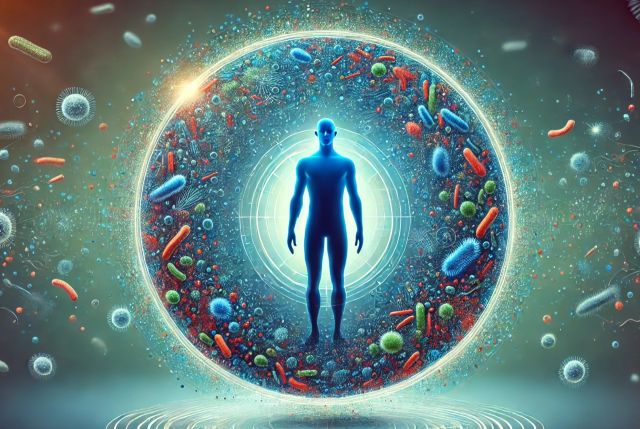
Microbiome refers to the collection of microorganisms that inhabit not only the gut, but also the skin, respiratory tract, mucous membranes, urogenital system, and even the surrounding environment. The human body contains more microbial cells than human cells: for every human cell, there are about 1.3 microbial cells. The total mass of the microbiome is 1.5–2 kg, and its genes outnumber human genes by a factor of 150.
Sugar substitutes are substances used instead of sugar to provide a sweet taste in food and beverages. Their popularity stems from the desire to reduce calorie intake. Artificial and natural sweeteners allow people to enjoy sweetness without extra calories, which is especially appealing to those managing their weight, following a diet, or monitoring their body’s energy balance.
In addition, sugar substitutes help regulate blood glucose levels. People with diabetes often use them to avoid sharp spikes in blood sugar caused by regular sucrose. Some sweeteners have minimal impact on insulin response, making them a convenient alternative for controlling metabolic processes.
Globalization has changed the world, promising to improve people’s lives and benefit all countries. The idea was that each nation would focus on its greatest potential. For example, the U.S. would develop technology, Canada would extract resources, and China would provide labor. Free trade allowed companies to sell goods worldwide without restrictions, and large corporations found ways to move production to countries with cheap labor. This significantly reduced costs and increased profits. Mass production made goods cheaper, flooding markets with inexpensive products — including food.
The art of tattooing, once associated with subcultures and informal groups, has now firmly entered the daily lives of millions of people. Body artwork has become a vibrant expression of individuality, and social media has turned tattoos into a real trend. However, despite their aesthetic appeal, tattoos carry certain health risks. Heavy metals contained in tattoo inks can accumulate in the body and cause allergic reactions, while non-compliance with sanitary norms during the application of tattoos increases the risk of infectious diseases. Additionally, the long-term effects on the immune and lymphatic systems are still not fully understood.
Epigenetic marks play a crucial role in maintaining health throughout life by regulating biological processes and predisposition to diseases. Understanding when and how these marks can change opens new opportunities for the prevention of chronic diseases and improving quality of life. In the first part of the article, we examined the theoretical aspects of epigenetics, how and when these changes occur, and their impact on health. In the second part, we will focus on practical approaches: how to influence epigenetics through nutrition, lifestyle, and other available strategies. Particular attention will be given to critical periods such as pre-pregnancy preparation, childhood, adolescence, and aging when external factors can have the most significant long-term effects on health.
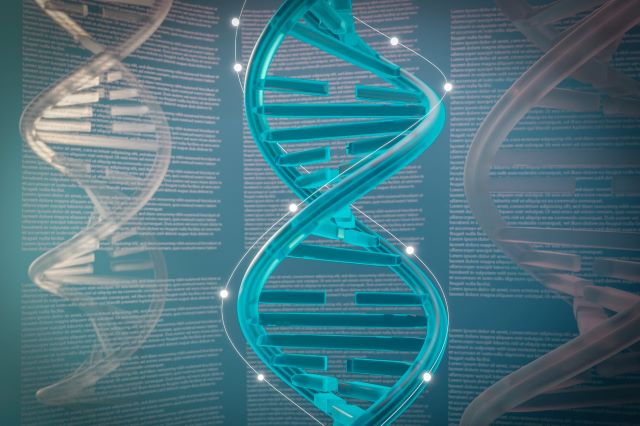
In recent years, research in genetics and epigenetics has garnered increasing attention, opening new horizons for understanding health and chronic diseases. Genetics studies hereditary traits and variations in DNA structure, while epigenetics examines changes in gene activity that do not alter the DNA sequence itself. One of the key aspects of epigenetics is that these changes can be reversible. This opens up new opportunities for developing treatments for diseases where changes in gene expression play a crucial role, such as autoimmune diseases, cancer, or metabolic disorders. Moreover, epigenetic modifications can be passed from parents to offspring, influencing the health of future generations. Understanding the mechanism of epigenetic regulation presents new prospects in medicine, particularly concerning the impact of the environment, nutrition, and lifestyle on health.
Methylation is a crucial biochemical process occurring in all cells of the body. It involves adding a methyl group (CH₃) to molecules such as DNA, proteins, and lipids, significantly influencing their functions and activities. Methylation regulates various physiological mechanisms, including gene expression, detoxification, mood regulation, energy production, immune system function, and cellular maintenance. Particularly important is the role of methylation in the liver, where it helps neutralize and eliminate toxins, which is essential for overall health.